Pistol Training for Beginners: A Safe 6-Step Plan
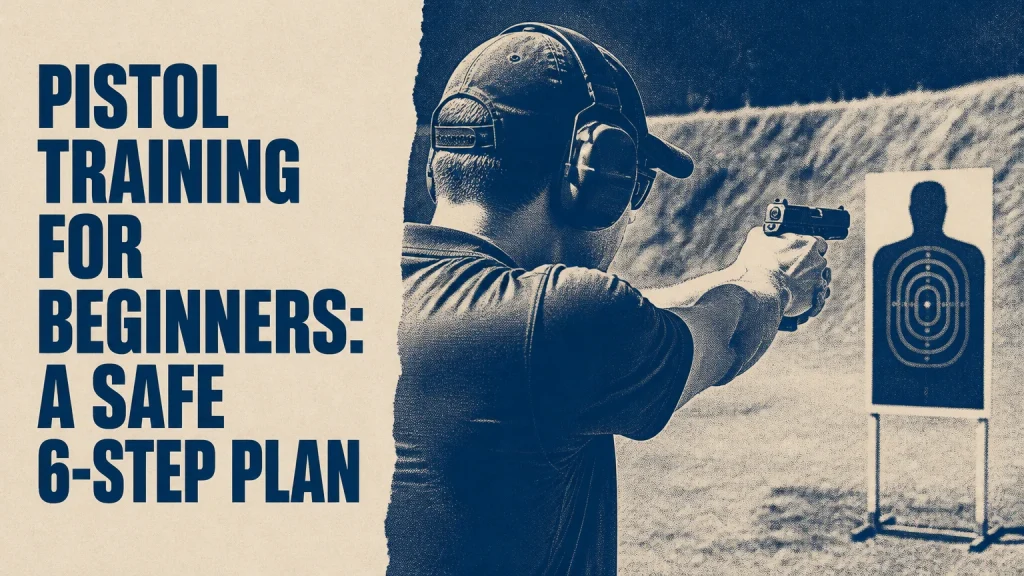
Pistol training for beginners is a supervised, progressive process for learning firearm safety, handling, aiming, firing, storage, and basic maintenance. The safest path starts with a qualified instructor and an unloaded pistol, then adds dry practice and controlled live fire while the learner develops consistent habits rather than chasing speed or distance. Key Facts at […]
Rifle Training Course Topics: From Safety to Skill
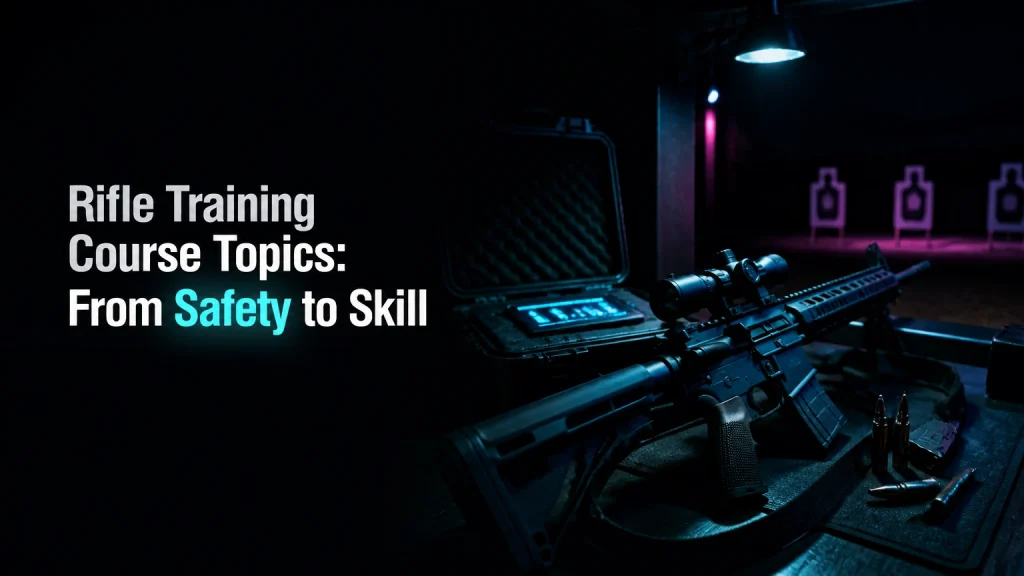
Rifle training course topics usually progress from firearm safety, rifle operation, and marksmanship fundamentals to positions, optics, zeroing, ballistics, movement, and goal-specific skills. A well-designed course also covers ammunition selection, range communication, maintenance, malfunction recognition, legal responsibilities, and a measurable plan for safe practice after class. Key Facts A beginner rifle class typically lasts 4-8 […]
Firearm Safety Best Practices: A Complete Safety System
Firearm safety best practices combine four universal handling rules, mechanical verification, secure storage, supervised training, and disciplined responses to malfunctions. Treat every firearm as loaded, control the muzzle, keep the trigger finger indexed, and identify the target and its background before any shot. These layers work together because no single safety device is fail-safe. Key […]
Rifle Sight Alignment Basics: Build a Repeatable Aim
Rifle sight alignment is the repeatable relationship between the shooter’s eye, rear sight, and front sight or reticle. Sight picture is the next step, placing that aligned system on the intended target. Consistent alignment reduces aiming error, while a stable position, controlled trigger press, and confirmed zero determine where the shot lands. Key Facts at […]
Pistol Training Drills for Beginners: A Safe Practice Plan
Pistol training drills for beginners should build safe gun handling, a stable two-handed grip, clear sight alignment, smooth trigger control, and predictable recoil recovery in that order. Start with unloaded dry fire in a controlled room, then use slow, supervised live fire at short distance, measuring group size before adding speed. Key Facts Dry fire […]
Handgun Safety Rules: A Practical Guide for Every Owner
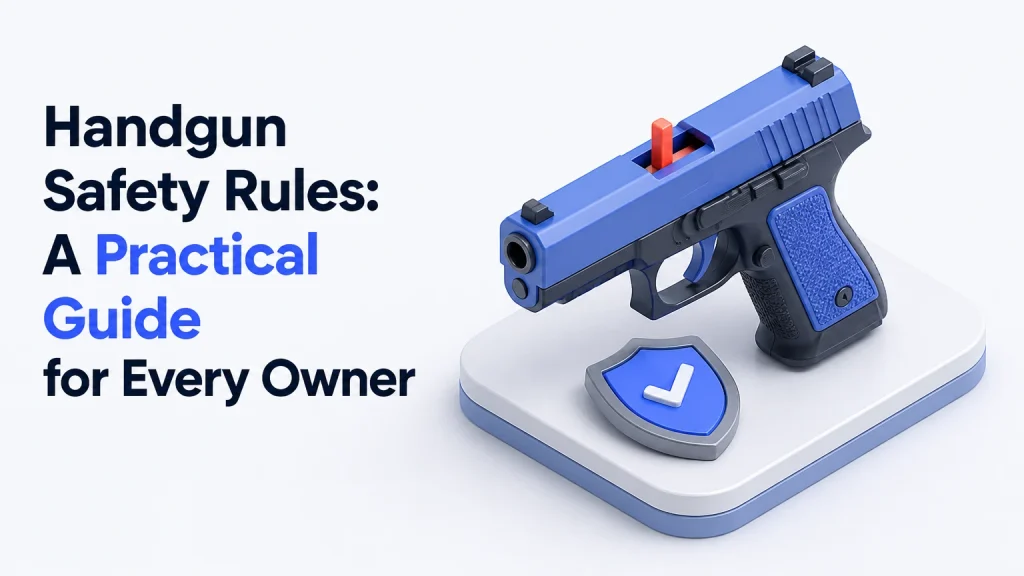
Handgun safety rules are behavioral protocols that reduce the chance of an unintended discharge, injury, or death whenever a firearm is present. The four universal rules are to treat every gun as loaded, control the muzzle, keep the trigger finger indexed, and identify the target and what lies beyond it. These rules remain necessary even […]
Rifle vs Pistol Training: Choose by Goal, Cost, and Skill
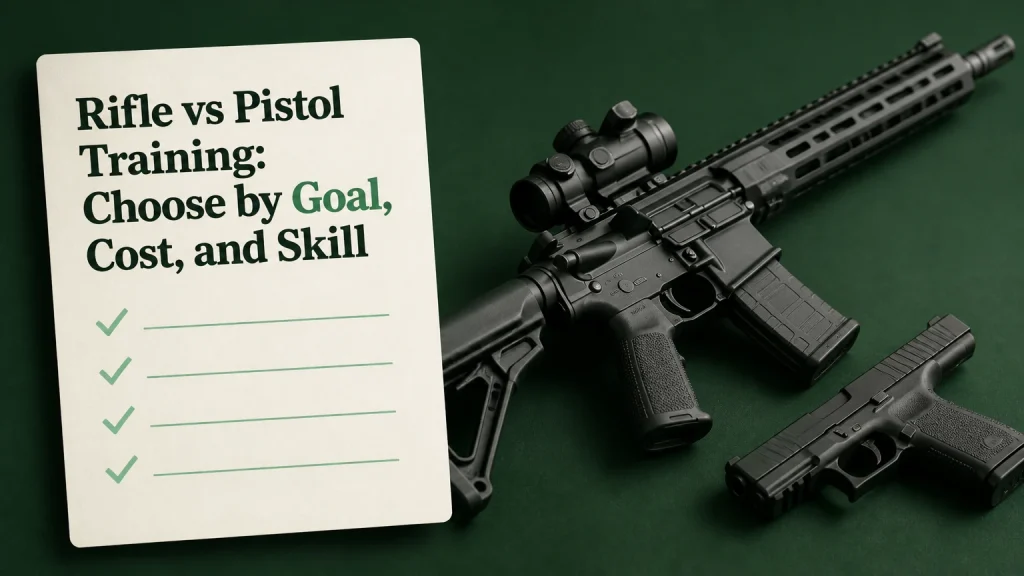
Rifle vs pistol training is not a contest with one universal winner. Rifle training usually produces faster early accuracy because the shoulder stock, longer sight radius, and supported position add stability, while pistol training demands more grip, trigger, and presentation control; the better starting point depends on whether the goal is sport, hunting, home protection, […]
Firearm Safety for First Time Gun Owners: A Safe Start
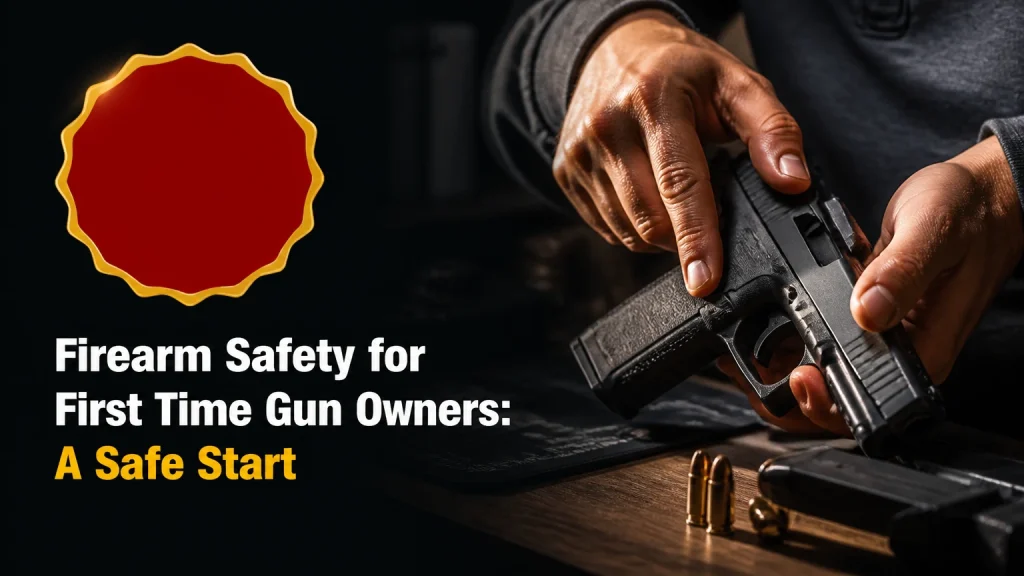
Firearm safety for first time gun owners is a system of behavior, secure storage, training, and mechanical controls that reduces the chance of injury or unauthorized access. The essential starting point is consistent application of the four universal rules, followed by firearm-specific instruction from the owner’s manual and a qualified instructor. Key facts at a […]
Rifle Training Fundamentals: Build Repeatable Accuracy
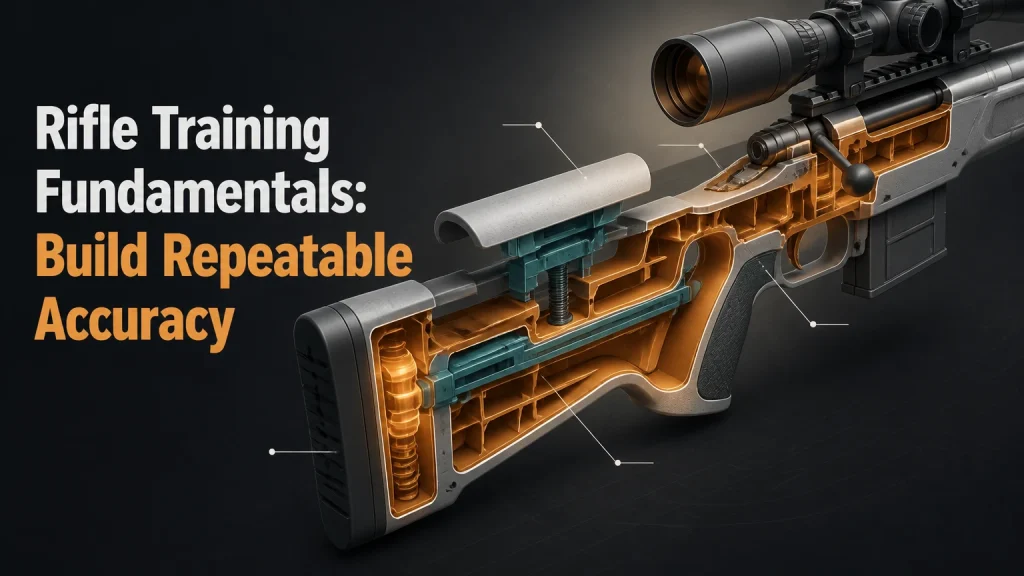
Rifle training fundamentals are the safety rules, body positions, aiming processes, trigger actions, and follow-through habits that let a shooter produce consistent results. The goal is not simply hitting a target once; it is reducing human error until rifle, ammunition, environment, and shooter performance can be evaluated separately. Key facts at a glance A stable […]
Safe Firearm Storage Guidelines: A 6-Step Home Plan
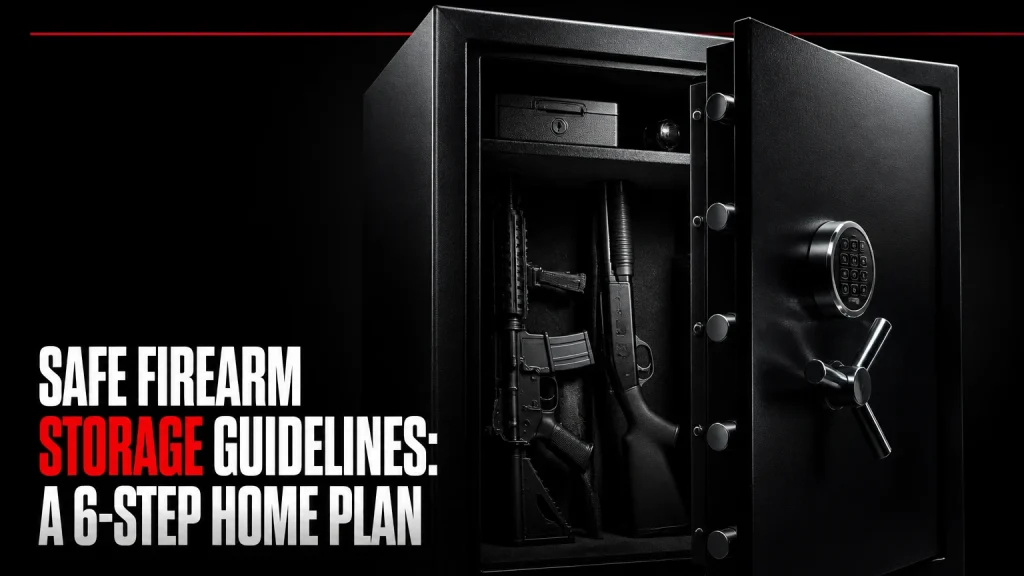
Safe firearm storage guidelines require every firearm to be unloaded, secured against unauthorized access, and protected from theft, with ammunition locked separately when practical and legally appropriate. The reliable method combines safe handling, a firearm lock, a locked enclosure, anchoring, controlled keys or codes, and regular access testing. Key Facts A locked enclosure protects against […]