First Aid Training Basics: Skills, Costs, and Courses
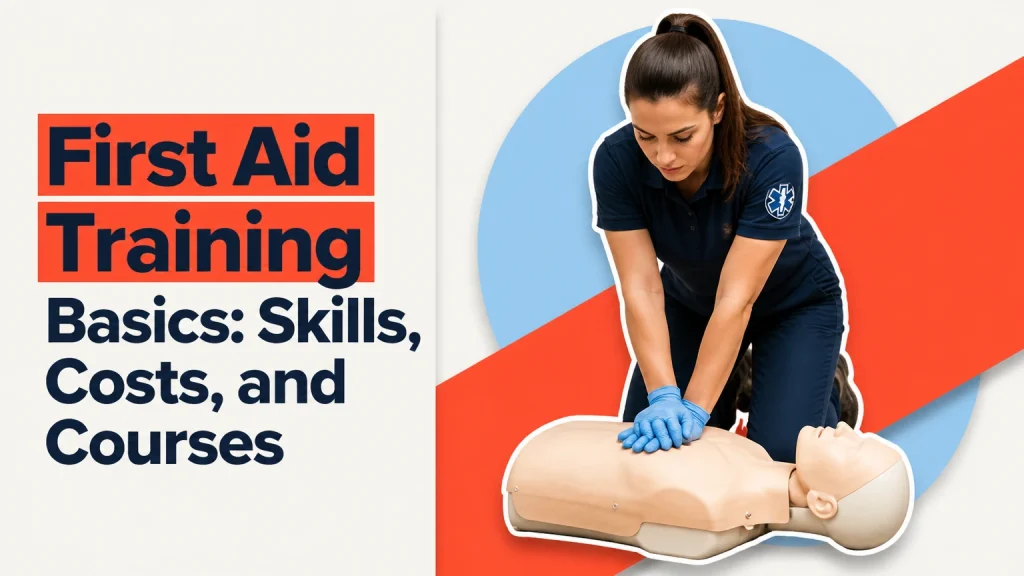
First aid training basics teach people to recognize danger, summon emergency help, and provide immediate care for life-threatening injury or illness. The essential sequence is scene safety, responsiveness, airway, breathing, and circulation, followed by condition-specific actions such as CPR, AED use, bleeding control, choking relief, and recovery-position care. Key Facts at a Glance First aid […]
CPR Certification Renewal Requirements: AHA or Red Cross
CPR certification renewal requirements usually include completing an approved refresher course, passing knowledge testing, and demonstrating hands-on CPR and AED skills before the credential expires. Most American Heart Association and American Red Cross CPR and BLS cards remain valid for two years, but employer, licensing-board, and state childcare rules determine the acceptable provider and course […]
Self Defense Training for Women: Costs and Best Options
Self defense training for women combines personal safety planning, awareness, verbal boundary-setting, escape skills, and supervised physical practice. The best program prioritizes avoiding danger and reaching safety, then teaches simple responses for situations that cannot be avoided. Course quality depends more on realistic instruction, safe coaching, and repeated practice than on the style’s name. Key […]
Active Shooter Response Procedures: A Practical Survival Guide
Active shooter response procedures are coordinated actions that help people recognize an ongoing armed attack, reach safety, deny access to danger, notify emergency services, and support lifesaving care after the threat passes. For most civilians, the central framework is Run, Hide, Fight, applied according to the location of the shooter, available exits, and immediate danger. […]
Active Shooter Preparedness for Workplaces: A Practical Program
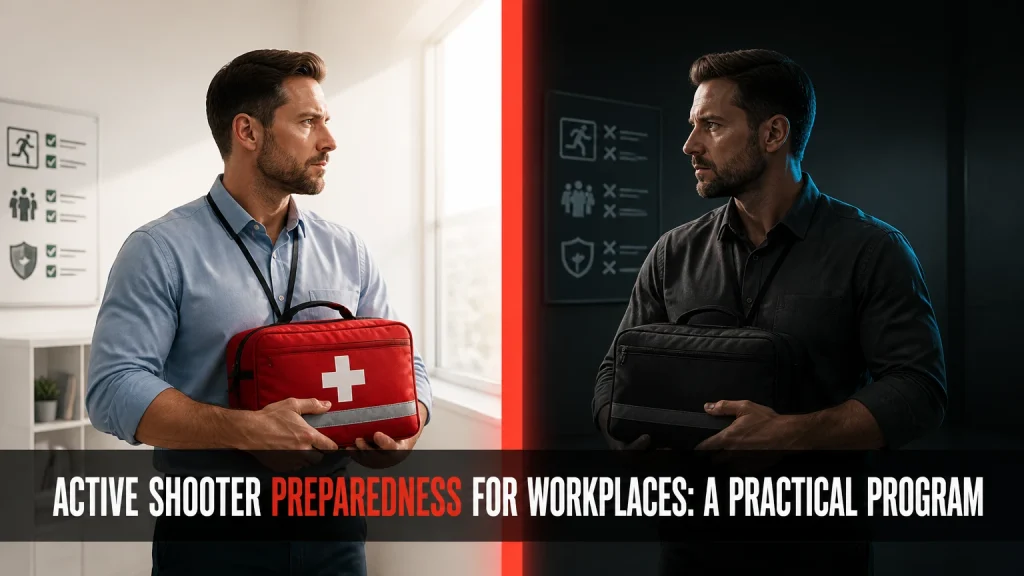
Active shooter preparedness for workplaces is a coordinated program that reduces violence risk, improves employee decision-making during an armed attack, and supports medical, organizational, and psychological recovery afterward. The program combines threat assessment, an Emergency Action Plan, physical security, role-based training, controlled exercises, and communication with first responders. Key Facts at a Glance The FBI […]
Self Defense Mindset Explained: Practical Readiness
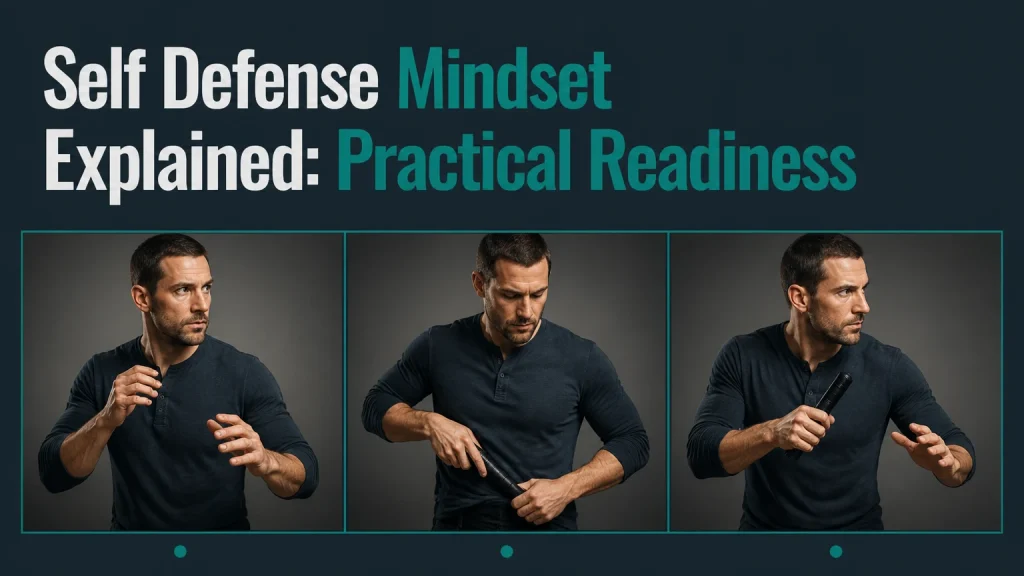
A self-defense mindset is a calm, deliberate approach to personal safety that helps a person notice risk, set boundaries, avoid unnecessary conflict, and act decisively to escape danger. Self-defense mindset training combines situational awareness, mental rehearsal, communication, environmental planning, and lawful physical skills rather than treating fighting ability as the primary objective. Key Facts at […]
Self Defense Training Benefits: 9 Gains That Matter
Self-defense training develops practical skills for recognizing danger, setting boundaries, managing stress, escaping violence, and seeking help. Its most reliable benefits are improved awareness, physical conditioning, communication, confidence, and decision-making under pressure, although no class can guarantee protection or make physical confrontation safe. Key Facts at a Glance What Benefits Does Self-Defense Training Provide? Self-defense […]
Active Shooter Preparedness Basics: Run, Hide, Fight
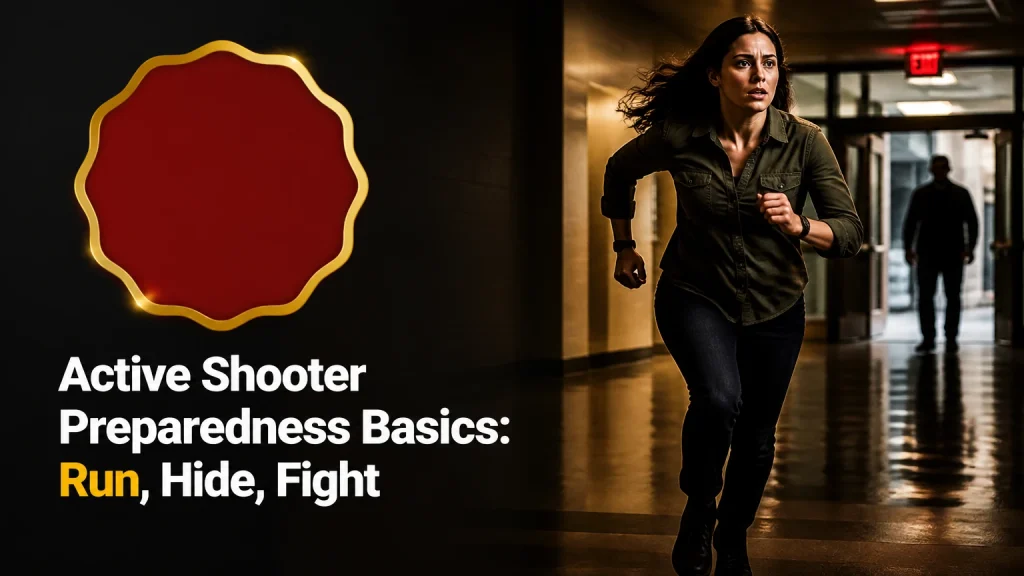
Active shooter preparedness basics are the actions, plans, training, building controls, communications, and medical resources that help people survive an active attack. The immediate individual framework is Run, Hide, Fight: evacuate when a safe path exists, secure and silence yourself when it does not, and resist only when facing imminent harm. Key Facts at a […]
Active Shooter Safety Tips: Run, Hide, Fight
Active shooter safety tips center on three options: run from danger when a safe route exists, hide behind a locked or barricaded barrier when escape is unsafe, and fight only as a last resort during an imminent life-threatening attack. Your best decision depends on the shooter’s location, your route, barriers, companions, and changing information. Key […]
Self Defense Mistakes to Avoid: 15 Safer Rules

The most dangerous self defense mistakes to avoid are treating violence like a fair contest, ignoring escape opportunities, relying on unpracticed equipment, and continuing force after the threat ends. Effective personal safety prioritizes prevention, distance, escape, communication, legally justified action, and accurate post-incident reporting over winning a fight. Key Facts at a Glance What Does […]