How Situational Awareness Improves Safety: A Practical Guide

Situational awareness improves safety by helping people detect hazards, understand their significance, predict how conditions may change, and act before exposure becomes an incident. The process links observation with decision-making, communication, and feedback, so individuals and teams can interrupt unsafe conditions earlier instead of reacting after control has been lost. Key Facts at a Glance […]
Workplace Violence Prevention Basics: A Practical Guide
Workplace violence prevention basics are the policies, risk controls, training, reporting processes, and response systems an organization uses to reduce violence, threats, harassment, intimidation, stalking, and disruptive behavior at work. An effective program protects employees and other people at the workplace by addressing hazards before incidents, responding proportionately to concerns, and improving controls after every […]
Pistol Shooting Stance Explained: Recoil, Balance, and Fit
A pistol shooting stance is the shooter’s lower-body and torso position for balancing the handgun, controlling recoil, tracking sights, and moving safely. The most useful stance is not a rigid universal pose: it is a repeatable platform that keeps the shooter’s weight balanced over the feet, the upper body connected to the grip, and the […]
Rifle Shooting Terminology: A Precision Shooter’s Guide
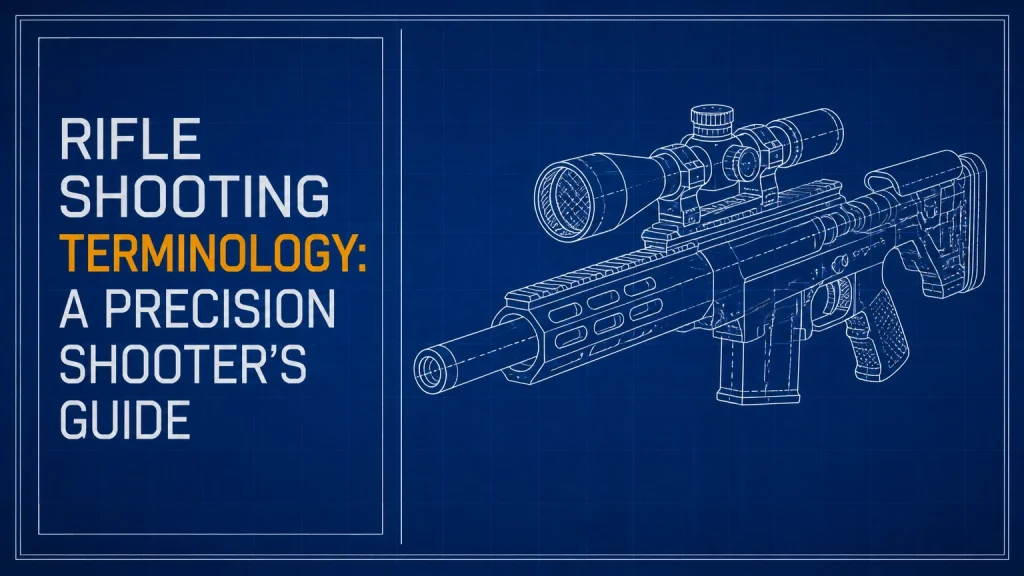
Rifle shooting terminology is the shared language for describing firearms, ammunition, optics, aiming, trajectory, and shooter performance. The most important terms include MOA, MRAD, reticle focal plane, parallax, ballistic coefficient, muzzle velocity, trigger break, natural point of aim, zero, and group dispersion. Key Facts at a Glance What Does Rifle Shooting Terminology Include? Rifle shooting […]
Why Firearm Safety Training Is Important: 7 Key Reasons
Firearm safety training is important because it converts general caution into repeatable habits for handling, storing, transporting, and using a firearm. Structured instruction reduces preventable handling errors, improves judgment under supervision, and helps owners identify applicable legal duties, although training cannot replace secure storage, safe ammunition practices, or current legal advice. Key Facts at a […]
Rifle Shooting Stance Explained: Positions, NPA, and Recoil
A rifle shooting stance is the body position that supports the rifle, aligns the sights, and channels recoil through the shooter into the ground. The most effective stance uses bone alignment and a natural point of aim, rather than muscular force, to produce repeatable sight movement and consistent shot placement. Key Facts at a Glance […]
Beginner Rifle Safety Guide: Rules and Range Steps
A beginner rifle safety guide teaches safe direction, trigger discipline, ammunition verification, action control, storage, and supervised range behavior before marksmanship. The essential standard is simple: keep the muzzle pointed in a safe direction, keep the trigger finger outside the guard, treat every rifle as loaded, and identify the target and what lies beyond it […]
Beginner Handgun Training Guide for Safe Range Skills
A beginner handgun training guide should teach safe handling before accuracy, then build operation, grip, sight use, trigger control, and judgment through supervised practice. The safest path is a certified instructor, a controlled range, correctly matched ammunition, eye and hearing protection, and gradual progress measured by consistent safety and group control rather than round count […]
Firearm Safety Terminology Explained for Safe Handling
Firearm safety terminology describes the rules, mechanical features, ammunition conditions, and handling states that prevent unintended injury. The essential terms are loaded, unloaded, chamber, muzzle, trigger, safe direction, action, malfunction, and secure storage. Knowing their precise meanings helps a person recognize risk before handling, loading, unloading, cleaning, transporting, or storing a firearm. Key Facts at […]
Handgun Training Mistakes to Avoid Safely
The most damaging handgun training mistakes to avoid are unsafe handling, practicing without a measurable objective, reinforcing recoil anticipation, using an ineffective grip, and advancing to holster or stress drills before basic control is reliable. Correct the error with supervised instruction, unloaded verification, short focused repetitions, and documented live-fire results. Key Facts at a Glance […]